

Sensors and IoT Devices: Explain how sensors and IoT devices collect data on water quality, usage patterns, flow rates, and infrastructure performance. Data Analytics: Discuss the use of data analytics to process and analyze large volumes of data collected from sensors, enabling actionable insights and informed decision-making. Communication Networks: Highlight the importance of robust communication networks (like 5G, LoRaWAN, or NB-IoT) in transmitting data securely and efficiently from remote sensors to centralized control centers.
Leak Detection and Prevention: Showcase how IT hardware enables early detection of leaks through pressure sensors and flow meters, minimizing water losses and infrastructure damage. Water Quality Monitoring: Discuss the integration of IT hardware for continuous monitoring of water quality parameters such as pH, turbidity, and contaminants. Smart Irrigation Systems: Highlight the use of IT hardware in precision agriculture, where sensors and weather data optimize irrigation schedules based on soil moisture levels and weather forecasts.
Monzula expertise and contributions across multiple sectors, showcasing its commitment to sustainability and innovation in water management, sanitation, hygiene promotion, solar energy integration, IT hardware solutions, and civil engineering projects.
Ntsika Tetani
- Content Writer
Data Security and Privacy: Address concerns related to data security and privacy in smart water management systems, emphasizing the importance of secure IT infrastructure. Integration and Scalability: Discuss challenges related to integrating IT hardware into existing water management infrastructure and scaling solutions to meet varying needs and environments.
Citywide Water Management Systems: Provide examples of cities or municipalities implementing smart water management systems, detailing the hardware components used and the resulting benefits. Industrial Applications: Discuss how industries utilize IT hardware for efficient water usage and compliance with environmental regulations.
Best Way to Safe
Showcase how smart water management systems contribute to sustainable development goals and improve water accessibility and quality for communities.
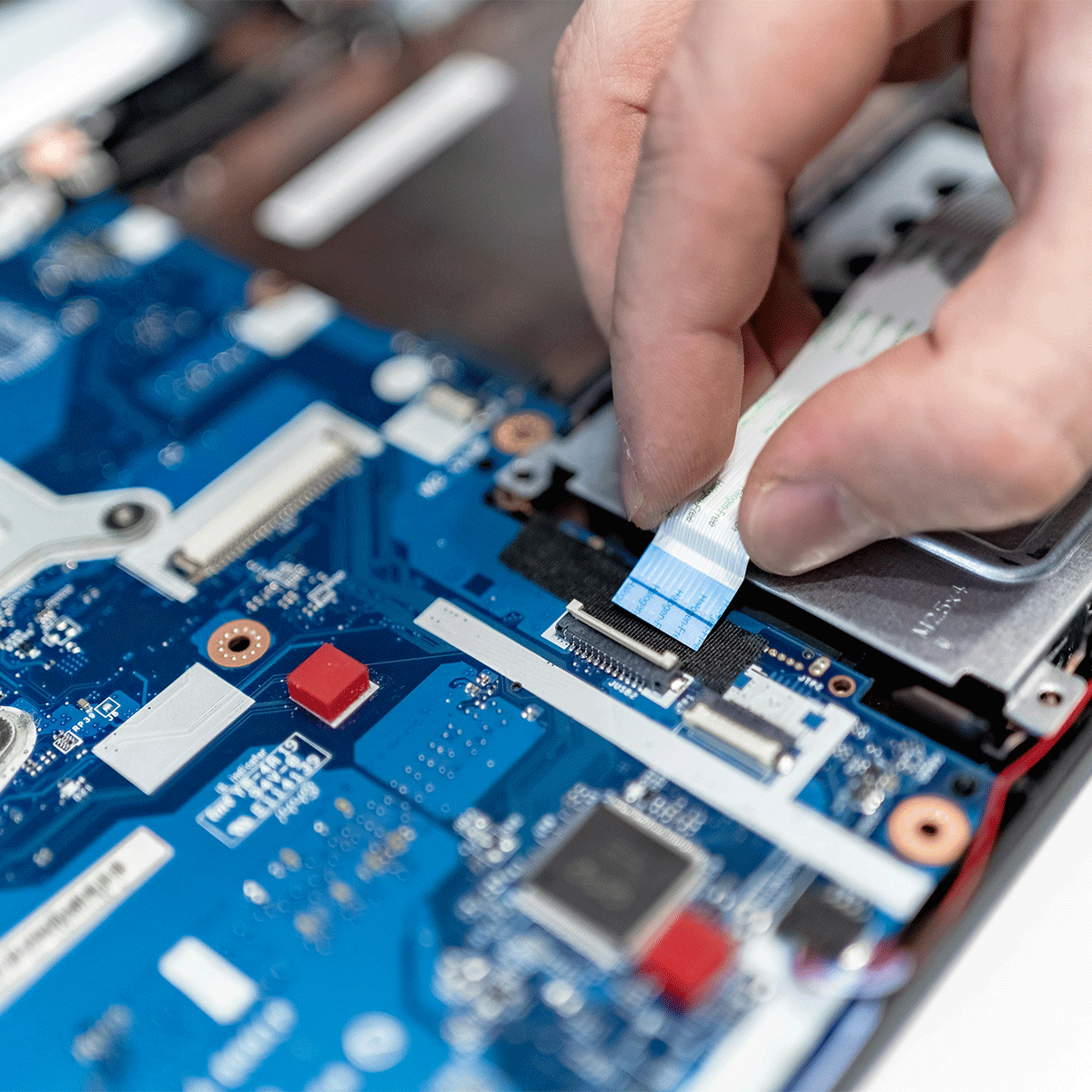

Summarize the transformative impact of IT hardware on smart water management systems, enhancing efficiency, sustainability, and resilience in water resource management. Highlight the future potential of technology advancements in further improving water management practices globally.