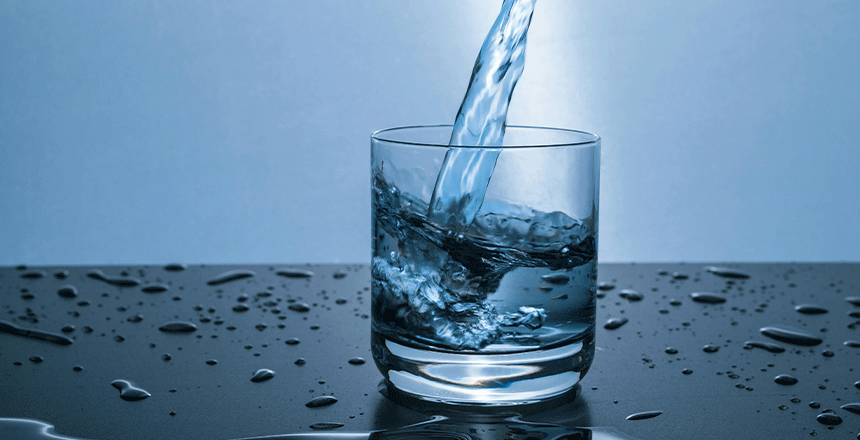
It is essential for life on Earth, a molecule composed of two hydrogen atoms bonded to one oxygen atom (H2O). It exists in three primary states: liquid, solid (ice), and gas (water vapor), and plays a crucial role in various biological, chemical, and physical processes. Water is known for its unique properties, such as high surface tension, density anomaly (expanding when freezing), and excellent solvent capabilities, making it vital for sustaining life and shaping our planet's landscapes.
It is fundamental to all known forms of life. It participates in biochemical reactions, serves as a solvent for nutrients and waste products, and provides the medium in which biological processes occur.
Freshwater resources are finite and essential for human survival. Managing and conserving water resources is crucial for sustainable development and maintaining ecosystems.
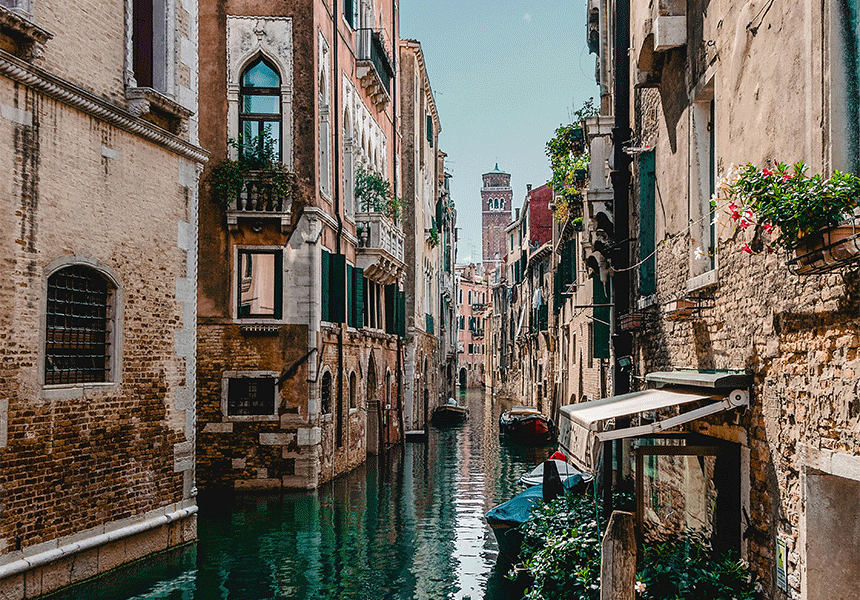
Water plays a significant role in recreation, tourism, and cultural practices worldwide, from swimming and boating to religious ceremonies and artistic inspiration.Water in the form of oceans and lakes absorbs heat, helping to moderate climate and weather patterns globally.
Customer Benefits
Individually designed goods and services are valued by customers.
Essential for Life
Hydration
Supports Ecosystems
What is Water?
Water is a chemical substance composed of two hydrogen atoms bonded to one oxygen atom, with the chemical formula H2O. It is essential for life on Earth and is the most abundant molecule in living organisms, making up about 60-70% of the human body's mass.
Why is water important for health?
Water is essential for maintaining bodily functions, regulating temperature, transporting nutrients, and flushing out waste products. It helps prevent dehydration and supports overall health and well-being.
How much water should I drink each day?
The general recommendation is to drink about 8 glasses of water per day, which is roughly 2 liters or half a gallon. However, individual needs can vary based on factors such as age, activity level, and climate.