- Tel:043 004 0055
- info@monzula.co.za
- ELIDZ Science and Technology Park


IT Hardware
- Home |
- IT Hardware
Download


IT Hardware
It is the physical components and devices used in information technology (IT) systems to support computing, networking, and data storage functions. Hardware-based security features, such as biometric authentication, hardware encryption, and secure boot processes, help safeguard data and prevent unauthorized access.
Computing hardware: Includes PCs, servers, workstations, and related components (CPU, RAM, motherboard). Networking hardware: Includes routers, switches, hubs, modems, and network adapters used to connect devices and facilitate data transmission. Storage hardware: Includes hard disk drives (HDDs), solid-state drives (SSDs), external storage devices (USB drives, NAS), and storage area networks (SANs). Peripheral hardware: Includes input devices (keyboards, mice), output devices (monitors, printers), and other accessories (webcams, external DVD drives). Mobile hardware: Includes smartphones, tablets, wearable devices, and other portable computing devices.
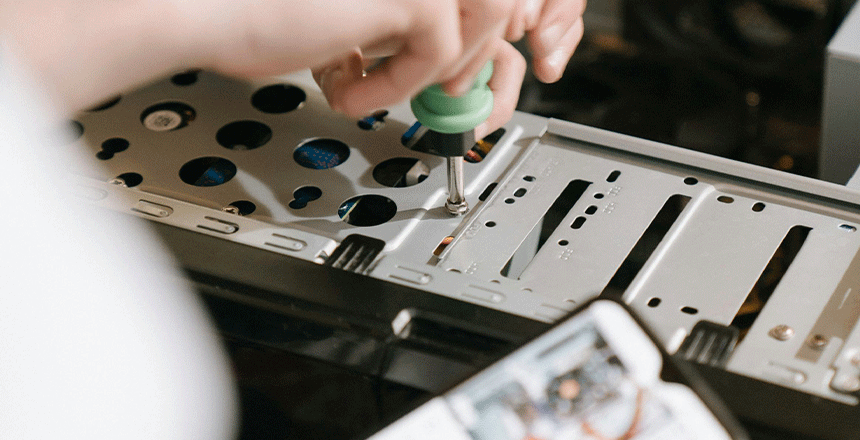
IT hardware includes all physical components that make up a computer system or network, such as: Personal computers (desktops, laptops) Servers Networking devices (routers, switches, modems) Storage devices (hard drives, solid-state drives) Peripheral devices (printers, scanners, monitors) Mobile devices (smartphones, tablets)
Technological advancements: New hardware may offer improved performance, features, and security. Business requirements: Changes in organizational needs or growth may necessitate upgrades. Maintenance costs: Aging hardware may require more maintenance and repairs. End of life (EOL) or end of support (EOS) from manufacturers: Older hardware may no longer receive updates or support.
Customer Benefits
Individually designed goods and services are valued by customers.
- Connectivity and Collaboration
- Data Management and Storage
- Regulatory Compliance
How is IT hardware recycling and disposal managed?
Proper disposal and recycling of IT hardware are essential to minimize environmental impact and comply with regulations. Organizations may partner with certified e-waste recyclers to responsibly dispose of outdated hardware and ensure data security through secure data wiping or destruction processes.
What are some common challenges with IT hardware manageme
Ensuring compatibility and integration of diverse hardware components. Managing lifecycle and upgrade schedules to optimize performance and minimize downtime. Addressing cybersecurity risks and vulnerabilities associated with hardware. Budget constraints and cost management related to hardware procurement and maintenance.
What is the role of IT hardware in organizations?
Running applications and software programs to support business operations. Storing and managing data securely. Facilitating communication and collaboration through networked systems. Supporting productivity and efficiency by providing access to information and resources.